Türkiye » Muğla Travel Guide – Attractions, Transport, Best Time to Visit
Muğla Travel Guide – Attractions, Transport, Best Time to Visit
Last update February 14, 2026
Muğla is a province and coastal region located in southwestern Turkey, along the Aegean and Mediterranean Seas. It lies within the administrative boundaries of Muğla Province in Turkey’s Aegean region. The area is known for its combination of coastal towns, ancient ruins, and natural landscapes situated between the Aegean and Mediterranean coastline. Muğla serves as a gateway to popular beach resorts and historical sites in the region.
Muğla Overview
Location: Southwestern Turkey, on the Aegean and Mediterranean coastlines
Primary features: Coastal towns, ancient ruins, natural landscapes
Time needed: 2-3 days (minimum 1 day)
Best time to visit: April to June (sightseeing), September to October (mild weather)
Cost level: Moderate, varies by town and season
Tourism profile: Cultural tourism, beach tourism, nature exploration
Reasons Travelers Visit Muğla
Historical significance with numerous ancient sites such as Kaunos and Stratonikeia
Coastal natural features including beaches like Ölüdeniz and Marmaris Bay
Distinctive regional cuisine featuring fresh seafood and regional Turkish dishes
Strategic location bridging the Aegean and Mediterranean regions of Turkey
Best Time to Visit
The optimal travel periods to Muğla are spring (April to June) and early autumn (September to October). During these months, temperatures range from 18°C to 30°C, with low rainfall and manageable visitor numbers. July and August experience high temperatures, often exceeding 35°C, and increased tourist crowds. Winters are mild but rainy, with average temperatures between 10°C and 15°C.
Season
Months
Typical Weather
Crowd Level
Spring
April – June
Warm temperatures (18°C-28°C), low rainfall
Moderate
Summer
July – August
Hot, dry, temperatures up to 35°C+
High
Autumn
September – October
Moderate temperatures (20°C-30°C), low to moderate rain
Moderate
Winter
November – March
Mild, cooler with occasional rain (10°C-15°C)
Low
How to Get There
Muğla is accessible by road, air, and bus connections from major Turkish cities. The nearest airports are Dalaman Airport and Milas-Bodrum Airport, located within reasonable distances of central Muğla and surrounding towns. Highway connections are established, allowing travel by car or long-distance bus services. Train service is limited in this region.
Air: Dalaman Airport and Milas-Bodrum Airport serve domestic and some international flights
Car: Major highways connect Muğla to nearby cities
Train: No direct train services to Muğla province; use bus or car transfers
From Istanbul
Flight: Direct flights from Istanbul airports to Dalaman or Milas-Bodrum airports, approximately 1.5-hour flight duration
Bus: Long-distance bus rides from Istanbul to Muğla take approximately 11-12 hours
Car: Driving distance of about 750 km, approximately 9-10 hours via highway
From Izmir
Car: Approximately 220 km, 3-3.5 hours by car on highway
Bus: Direct buses available, approximately 3.5-4 hours duration
Flight: No direct flights between Izmir and Muğla; ground transport preferred
From Antalya
Car: Approximately 285 km, about 4-4.5 hours driving
Bus: Regular bus services, 4.5-5 hours travel time
Flight: No direct flights between Antalya and Muğla region
From Ankara
Flight: Flights from Ankara Esenboğa Airport to Dalaman or Milas-Bodrum airports are available, approximately 1.5-hour flight time
Bus: Overnight bus services, approximately 12-13 hours travel time
Car: Approximately 800 km, around 10-11 hours driving
Getting Around
Local buses and minibuses (dolmuş) operate between towns and villages
Rental cars are common for flexible travel within the province
Walking is practical in town centers, often covering distances below 2 kilometers between major points
Taxi services are available but less common for long distances
Top Attractions in Muğla
Ölüdeniz Beach
A natural beach and lagoon known for its blue waters and safe swimming conditions. It is a popular coastal natural site. Average visit duration is 2-4 hours.
Kaunos Ancient City
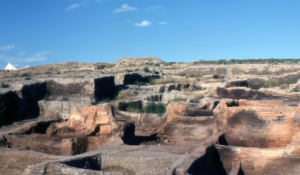
Ruins of an ancient Carian city featuring an amphitheater, rock tombs, and city walls. This historical site typically requires 2-3 hours to visit.
Marmaris Castle and Museum
A restored fortress housing an archaeology museum, representing cultural heritage. Average visit duration ranges from 1-2 hours.
Bodrum Castle
A medieval castle built by the Knights Hospitaller, now hosting the Museum of Underwater Archaeology. Visiting time is typically 2-3 hours.
Stratonikeia Ancient City
An archaeological site with well-preserved ruins including a stadium, baths, and temples. Visitors usually spend 2-3 hours at the site.
Iztuzu Beach
A protected natural beach noted for loggerhead sea turtle nesting. It is a coastal natural site with an average visit duration of 2-3 hours.
Common Visitor Activities
Visiting ancient ruins and archaeological sites within Muğla Province
Swimming and sunbathing on Aegean and Mediterranean beaches
Hiking in natural parks and coastal trails
Exploring local markets and tasting traditional regional cuisine
Boat tours along the coast and to nearby islands
Suggested Muğla Visit Duration
A half-day visit allows for a quick tour of a single attraction or a beach. A full day accommodates visiting one or two sites plus time at a beach. Spending 2 to 3 days allows exploration of multiple historical sites, beaches, and small towns within the region.
Nearby Destinations
Bodrum – approximately 110 km southwest
Marmaris – approximately 90 km south
Dalaman – approximately 70 km southeast
Fethiye – approximately 60 km west
Datça Peninsula – approximately 120 km southwest
Practical Information
Climate
Mediterranean climate, hot dry summers, mild rainy winters
Seasonality Notes
High tourism in summer months (July-August); lower activity in winter (Nov-Mar)
Crowd Levels
Moderate in spring and autumn; high in summer peak months
Constraints or Limitations
Hot temperatures during summer; some sites may be closed or have limited access in winter; public transport options limited outside main towns
Frequently Asked Questions
What types of travelers visit Muğla?
Travelers visiting Muğla typically include cultural tourists interested in ancient history, beachgoers seeking coastal leisure, and nature enthusiasts exploring the region’s landscapes. The area accommodates family travelers, solo travelers, and groups. Visitors looking for historical sites, natural beaches, and regional cuisine find Muğla suitable.
How many days are recommended for visiting Muğla?
A visit of 2 to 3 days is recommended to explore key attractions, including historical ruins and beaches. One full day covers major highlights but may not allow time for exploration of multiple towns. A half-day visit can suffice for a single site or a beach.
Is Muğla safe for travelers?
Muğla is generally considered safe for travelers. Standard precautions are advised, such as securing belongings and being aware of local traffic and surroundings. Tourist areas are regularly monitored, and no significant safety warnings are typical for visitors.
What is the best time to visit Muğla for sightseeing?
The optimal periods for sightseeing are from April to June and September to October when temperatures are moderate and rainfall is low. Peak summer months have higher temperatures and crowds, which may affect comfort and access.
Get detailed travel guides for Turkiye's most popular regions, including the Mediterranean coast, Cappadocia, Istanbul and more. Each guide is packed with local insights, recommended routes and practical tips to help you explore like a local.