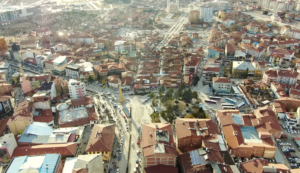
Stratonikeia is an ancient town located in Muğla Province, in the Aegean region of southwestern Turkey. It is situated inland, near the modern town of Yatağan, and is known for its well-preserved ruins from the Hellenistic, Roman, and Byzantine periods. The site shows the historical layering of Anatolian civilizations and offers insight into urban development in ancient Caria. It lies in a geographic setting characterized by valleys and surrounded by forested hills.
Stratonikeia Overview
Location: Ancient town in Muğla Province, Aegean Region, southwestern Turkey
Primary features: Ancient ruins from Hellenistic, Roman, Byzantine periods
Time needed: 1–2 days for archaeological site exploration
Best time to visit: April to June (spring) and September to October (autumn)
Cost level: Low; entrance fees and local transport affordable
Tourism profile: Cultural tourism, archaeology, history
Reasons Travelers Visit Stratonikeia
Extensive ancient ruins including theater, agora, sarcophagi, and city walls
Historical significance as a major Hellenistic and Roman urban center
Rural natural surroundings with forested hills and valleys
Proximity to other archaeological sites in Muğla Province
Interest in the evolution of ancient city planning and architecture
Best Time to Visit
The optimal visiting periods are spring (April to June) and autumn (September to October), when temperatures range between 15 and 25 degrees Celsius and rainfall is minimal. Summers can be hot with daytime temperatures above 30 degrees Celsius. Winters are mild but wetter. Tourist traffic is low year-round, with slightly increased visits during spring and autumn months.
Season
Months
Weather
Crowd Level
Spring
Apr-Jun
Mild, dry, 15–25°C
Low to moderate
Summer
Jul-Aug
Hot, dry, 30+°C
Low
Autumn
Sep-Oct
Mild, dry, 15–25°C
Low to moderate
Winter
Nov-Mar
Mild, wetter, 8–15°C
Low
How to Get There
The nearest major city to Stratonikeia is Muğla city, approximately 80 kilometers southeast. Access is primarily by car or bus from regional hubs. There is no direct airport at Stratonikeia; access by air requires transfer from regional airports and additional road travel.
Nearest airport: Dalaman Airport (approximately 100 km away)
Road access via local highways from Muğla and Yatağan
Regular bus services connect Muğla to Yatağan; local transport or taxi recommended thereafter
Getting Around
Primary movement onsite is on foot due to archaeological site layout
Limited local taxi availability connecting Yatağan town and site entrance
Car recommended for access from nearby towns and surrounding countryside
Distances between key ruins: site extends approximately 1–2 kilometers on foot
Top Attractions in Stratonikeia
Ancient Theater
A large Roman-era open-air theater with seating capacity over 10,000, used historically for performances and gatherings. Classified as an archaeological ruin. Average visit duration is 30–45 minutes.
Agora
Central marketplace area featuring remains of shops, columns, and public buildings from Hellenistic and Roman periods. Archaeological site visit typically lasts 20–30 minutes.
City Walls and Gates
Surrounding fortifications built mainly during the Hellenistic era for defense, including gates and towers. Walking along the walls takes about 30 minutes.
Sarcophagi Necropolis
Cluster of ancient sarcophagi and tombs located on the site outskirts, illustrating burial customs. Small-scale visit around 15–20 minutes.
Common Visitor Activities
Walking tours of archaeological ruins and ancient structures
Photography of historical architecture and natural landscapes
Visiting nearby small museums displaying artifacts from the site
Hiking in surrounding forest areas adjacent to the ruins
Studying ancient inscriptions and urban planning features
Suggested Stratonikeia Visit Duration
A half-day visit allows for basic exploration of the main ruins, including the theater and agora. One full day provides time for detailed site study and visiting the necropolis and city walls. Two to three days may be used for combining site visits with local hiking and nearby cultural destinations.
Nearby Destinations
Muğla city – Approximately 80 km southeast (1.5 hours by car)
Yatağan town – Approximately 10 km east (15 minutes by car)
Dalaman – Approximately 100 km south (1.5 to 2 hours by car)
Stratonikeia Mausoleum – Located within the archaeological site limits
Practical Information
Climate
Mediterranean climate with hot, dry summers and mild, wetter winters
Seasonality notes
Peak visit months April–June and September–October for favorable weather
Crowd levels
Generally low; moderate during spring and autumn
Constraints or limitations
No public transport directly to site; limited facilities onsite; summer heat can be intense
Frequently Asked Questions
What type of travelers visit Stratonikeia?
Travelers interested in history, archaeology, and cultural heritage typically visit Stratonikeia. It attracts academics, students, and tourists focusing on ancient ruins, as well as those who prefer low-crowd cultural exploration in rural settings.
How many days are needed to explore Stratonikeia?
1 to 2 days are sufficient to explore the main archaeological sites thoroughly. A half day allows for surface viewing, while 2 days permit additional nearby hiking or visiting local museums.
Is Stratonikeia safe for tourists?
Yes, Stratonikeia is safe for visitors. The area has low crime rates and is generally secure. Visitors should prepare for uneven terrain and bring water, as onsite facilities are limited.
What is the best time to visit Stratonikeia?
The best time to visit is during spring (April to June) and autumn (September to October) due to mild temperatures and low precipitation. Summers are hot and winters wetter, which may limit comfort and access.
Get detailed travel guides for Turkiye's most popular regions, including the Mediterranean coast, Cappadocia, Istanbul and more. Each guide is packed with local insights, recommended routes and practical tips to help you explore like a local.