
Last update September 30, 2026
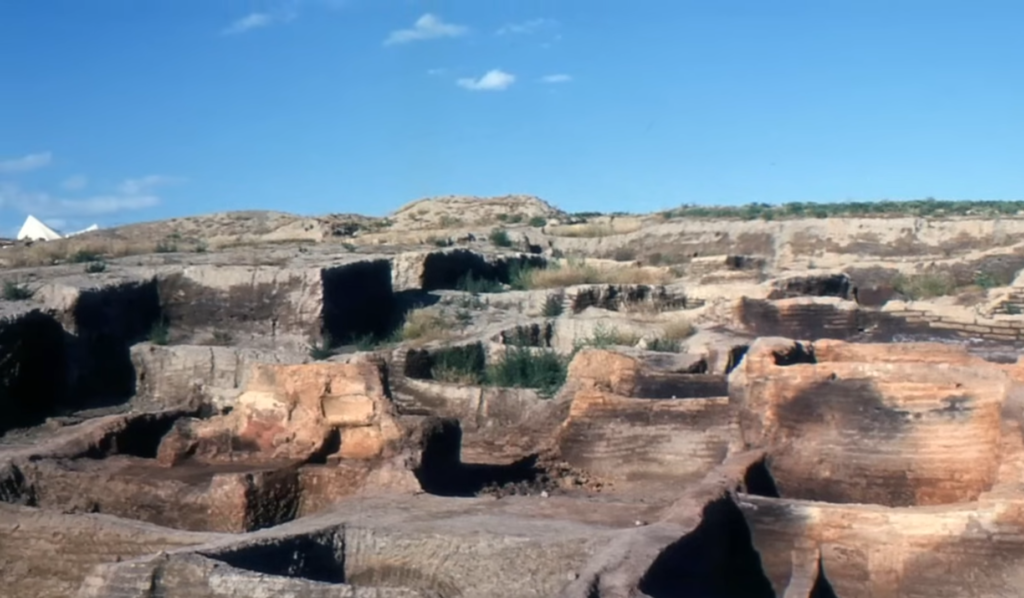
Çatalhöyük is situated in the Çumra district some 50 kilometres to the southeast of Konya and is roughly 9,500 years old, being one of the earliest known human settlements in the world. It was included on the UNESCO World Heritage List in 2012, and it received that designation for a particular reason: there is neither a palace, nor a temple, nor any kind of monumental centre. The houses are built right next to one another in a closely packed group with no streets running between them. To get into the houses, the people used the roofs and descended through ladders that went through the ceilings, which shows just how different a Neolithic community was in organising itself when compared to almost everything that came after.
The site consists of two mounds, named East and West, which are separated by the old river channel that is now dry land. The East Mound is the older of the two and is also the larger one, and it’s in this area that you will spend the majority of your time, moving from the North Shelter—this being the best preserved part of the original dwellings—to the South Shelter, a short distance away, where archaeologists found a great deal of the handicraft work which is currently in museums in Konya and Ankara. A guide leads you through both of these areas as well as through a replica house designed to illustrate how the homes actually functioned, and it is necessary for you to have such a guide; independent exploration is not permitted here.
It takes around an hour to get from Konya by car, or you can hire a taxi for a reasonable price that covers the waiting time while you are visiting the site. If you’re driving, allow three to four hours in total, though you should plan more time if you also make a stop at the Mevlâna Museum in Konya, as most visitors do because the two sites are so close to one another. There are restrooms, a small cafe and a gift shop on site, so you won’t have to rough it, but do not expect anything beyond the essentials.
You won’t find dramatic ruins or monumental structures at Çatalhöyük. Instead, you’ll get something older and, in certain respects, more interesting: an authentic insight into how people lived before cities in the way we know them existed, at a time when a household and not a ruler was the basic unit responsible for organizing life. If you’re already in Konya to visit the Mevlâna Museum, then the extra hour spent here is worth it.

PLAN YOUR JOURNEY BY DESTINATION
Get detailed travel guides for Turkiye's most popular regions, including the Mediterranean coast, Cappadocia, Istanbul and more. Each guide is packed with local insights, recommended routes and practical tips to help you explore like a local.
DETAILED MAPS
GPX files, offline maps and route notes.
DAILY ITINERARIES
Step-by-step plans to make your trip easy.
PRACTICAL INFO
Where to stay, eat, transport and more.
LOCAL INSIGHTS
Tips, hidden gems and local knowledge.