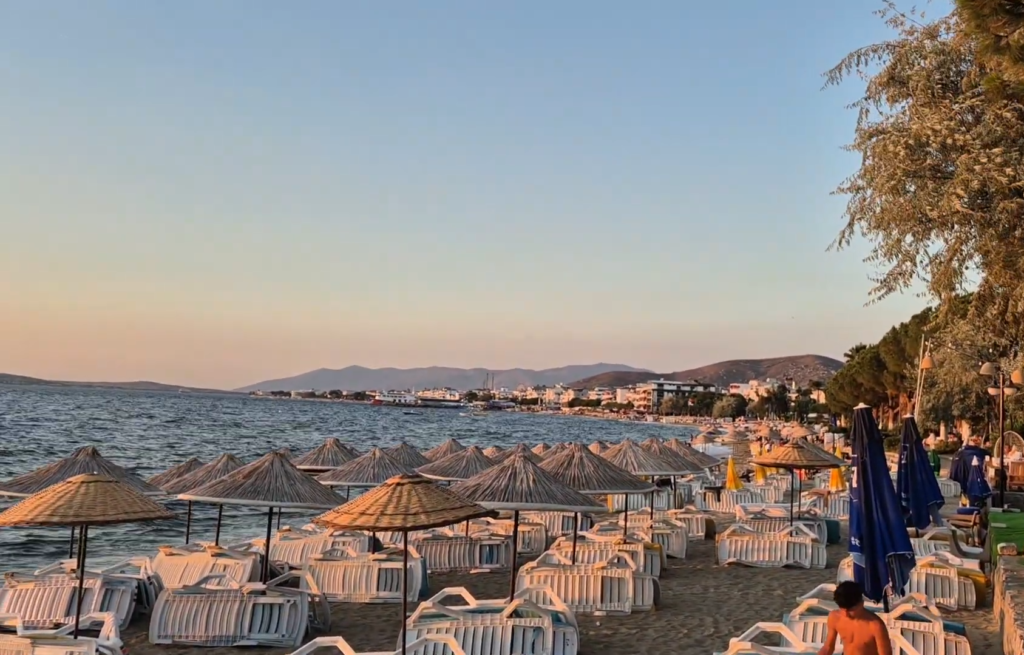
Avsa Island

Last update February 13, 2026

Avsa Island is a coastal island located in Balıkesir Province in the Marmara region of Turkey. It is part of the Marmara Archipelago in the Sea of Marmara, situated northwest of the Turkish mainland. Avsa is known for its natural landscapes, beaches, and historical connections dating back to the Ottoman period. The island is accessible via ferry services and serves as a seasonal tourism destination for domestic travelers.

Avsa Island Overview

  • Location: Marmara Sea, Balıkesir Province, northwest Turkey
  • Primary features: Beaches, Ottoman history, natural landscapes
  • Time needed: 1-3 days
  • Best time to visit: May to September (summer months)
  • Cost level: Low to medium compared to mainland urban areas
  • Tourism profile: Coastal tourism, cultural visits, nature activities

Reasons Travelers Visit Avsa Island

  • Natural sandy beaches and coastal landscapes
  • Historical sites related to Ottoman period settlements
  • Seafood and regional Turkish cuisine offerings
  • Proximity and accessibility from Istanbul and Marmara region

Best Time to Visit

The best time to visit Avsa Island is during the late spring and summer months, from May through September. During this period, weather conditions feature warm temperatures averaging 20–30°C and low precipitation. Peak visitor levels occur in July and August, while May, June, and September have moderate crowd levels. Winters are generally cold and wet, with limited tourism activity.

SeasonMonthsWeatherCrowd Levels
SpringMarch to MayMild, 10–20°C, moderate rainLow to moderate
SummerJune to SeptemberWarm, 20–30°C, dryModerate to high
AutumnOctober to NovemberCooling, 10–20°C, some rainLow
WinterDecember to FebruaryCold, 5–12°C, wetVery low

How to Get There

The nearest major city to Avsa Island is Istanbul. Access to the island is primarily by ferry services operating from mainland ports. Travel times vary by departure location and transport mode.

  • By ferry: Regular ferry connections from Erdek and Tekirdağ
  • By car: Drive to ferry ports followed by ferry transfer
  • By bus: Intercity bus services to ferry ports connected with ferry schedules

Getting Around

  • Walking is possible between major towns and beaches due to moderate distances (2–5 km).
  • Local minibuses serve some island routes, especially during peak season.
  • Bicycles and rental scooters are available for personal transport.
  • Taxi services operate on the island but are limited compared to mainland cities.

Top Attractions in Avsa Island

Golden Beach

A sandy beach on the western coast of the island, popular for swimming and sunbathing. Classified as a natural site. Average visit duration: 2–4 hours.

Avsa Fortress Ruins

Remains of an Ottoman-era fortification located near the main town. Historical and architectural interest. Average visit duration: 1 hour.

Avsa Island Maritime Museum

A small museum focusing on local maritime history and fishing culture. Museum type. Average visit duration: 1 hour.

Kilyos Beach

Another coastal natural beach area known for clear waters and swimming opportunities. Natural site. Average visit duration: 2–3 hours.

Common Visitor Activities

  • Beach swimming and sunbathing at Golden Beach and Kilyos Beach
  • Exploring Avsa Fortress ruins and historical sites
  • Visiting the Maritime Museum for local cultural history
  • Hiking on coastal trails and rural island roads
  • Seafood dining in local town restaurants

Suggested Avsa Island Visit Duration

A half-day visit can cover a single beach or museum. One full day allows exploration of beaches and the fortress ruins. Two to three days enable visitors to combine multiple beaches, cultural sites, and hiking activities without rush.

Nearby Destinations

  • Erdek – Approx. 15 km ferry or car distance on mainland
  • Bandırma – Approx. 40 km by car/ferry transfer via mainland
  • İstanbul – Approx. 150 km by road and ferry

Practical Information

ClimateMediterranean with hot summers and mild to cold, wet winters
Seasonality notesHigh season from May to September; limited services in winter
Crowd levelsLow in winter, moderate in spring and autumn, high in July and August
Constraints or limitationsLimited winter transport schedules, few services outside peak season, occasional strong coastal winds

Frequently Asked Questions

What type of travelers visit Avsa Island?
Avsa Island attracts travelers interested in coastal tourism, cultural history, and nature activities. Visitors include domestic tourists from nearby cities and those seeking beach recreation during the summer months.
How many days are needed to visit Avsa Island?
A minimum of one day is required to visit main beaches and historical sites. Two to three days are recommended for a comprehensive experience including local museums, hiking, and dining.
Is Avsa Island safe for travelers?
The island is considered safe for travelers with low crime rates. Standard precautions for coastal areas and seasonal weather should be observed. Emergency services are limited, so preparedness is advised.
What is the best time to visit Avsa Island?
The best time to visit is from May to September when weather is warm and ferry services operate regularly. Summer months see higher visitor numbers while spring and early autumn offer moderate crowds and suitable weather for sightseeing and beaches.

Written by Isabella Schmidt

Isabella is a travel writer from Germany who specializes in art and architecture. She explored Hagia Sophia, Cappadocia’s cave churches, and Ottoman palaces. Isabella’s guides focus on architecture, museums, and heritage tours.

PLAN YOUR JOURNEY BY DESTINATION

Get detailed travel guides for Turkiye's most popular regions, including the Mediterranean coast, Cappadocia, Istanbul and more. Each guide is packed with local insights, recommended routes and practical tips to help you explore like a local.

DETAILED MAPS
GPX files, offline maps and route notes.
DAILY ITINERARIES
Step-by-step plans to make your trip easy.
PRACTICAL INFO
Where to stay, eat, transport and more.
LOCAL INSIGHTS
Tips, hidden gems and local knowledge.