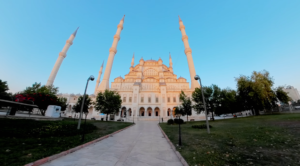
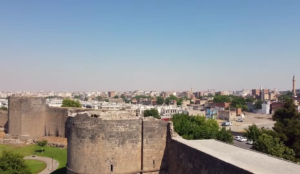
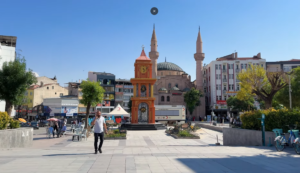
Myra is an ancient town located in Antalya Province, within the Mediterranean Region of Turkey. It lies near the modern town of Demre on the southwestern coast of Turkey. As a historically significant Lycian city, Myra is situated near the Mediterranean Sea and inland mountain ranges, approximately 155 kilometers west of Antalya city. The site is known for its well-preserved archaeological ruins and rock-cut tombs, reflecting Lycian civilization and subsequent Roman influences.
Myra Overview
Location: Antalya Province, Mediterranean Region, southwestern Turkey
Primary features: Ancient Lycian ruins, rock-cut tombs, Roman theater
Time needed: 1-2 days for archaeological sightseeing
Best time to visit: March to June and September to November (mild weather)
Cost level: Low to medium, related to regional tourism in Antalya area
Tourism profile: Cultural tourism, historical site visits, archaeology enthusiasts
Reasons Travelers Visit Myra
Historical significance as an ancient Lycian city with Roman-era remains
Notable natural features including Mediterranean coast and nearby Taurus Mountains
Presence of ancient rock-cut tombs emblematic of Lycian funerary architecture
Geographic location near Demre, accessible from Antalya and coastal tourist routes
Best Time to Visit
The best time to visit Myra is during spring (March to June) and autumn (September to November) when temperatures range between 15°C and 28°C. Summer months (July and August) can reach up to 35°C with higher humidity and more crowded conditions. Winter months (December to February) are cooler, averaging 10-15°C with occasional rain, and fewer tourists.
Season
Months
Average Temperature
Crowd Level
Spring
March – June
15-28°C
Moderate
Summer
July – August
28-35°C
High
Autumn
September – November
18-27°C
Moderate
Winter
December – February
10-15°C
Low
How to Get There
Myra is accessible primarily via Antalya, the nearest major urban center with an international airport. From Antalya, onward transport involves road travel to Demre and Myra. Direct public transport options are limited; car rental or regional bus services are the most common methods. Travel times vary depending on the starting point and mode of transport.
Nearest major city: Antalya (approximately 155 km east)
Primary access: Road transport via car or bus from Antalya and surrounding cities
Getting Around
Local transportation primarily by car or taxi due to limited public transit
Area around Myra archaeological site is walkable; key points are within short distances (less than 1 km)
Distances between Demre town and Myra site approximately 4 km, accessible by car or local taxi
Top Attractions in Myra
Lycian Rock-Cut Tombs
Ancient funerary monuments carved into vertical cliff faces dating to the Lycian era. These tombs are notable for architectural detail and inscriptions. Visitors typically spend 30 to 45 minutes exploring the site.
Roman Theater
A large, well-preserved Roman theater used for performances and community gatherings in antiquity. It is a ruins-type attraction with seating, stage remains, and historical significance, requiring about 30 minutes for a tour.
Church of St. Nicholas
A Byzantine-era church located near Myra, associated with the historical figure of St. Nicholas. This religious historic site takes approximately 20 to 30 minutes to visit.
Common Visitor Activities
Walking tours of the Lycian tombs and Roman Theater
Visiting the Church of St. Nicholas archaeological ruins
Exploring nearby Demre town for local cultural and handicraft shops
Hiking short routes around the surrounding Mediterranean and mountain terrain
Suggested Myra Visit Duration
The site and surrounding attractions can be covered in 1 to 2 days. A half-day visit allows for viewing major ruins, while 1 full day permits inclusion of nearby cultural activities. A 2 to 3-day itinerary is suitable for travelers combining Myra with hiking or extended exploration of the Antalya coastal region.
Mediterranean climate with hot, dry summers and mild, wet winters
Seasonality notes
Peak tourist season in summer; shoulder seasons offer moderate temperatures and fewer crowds
Crowd levels
Higher from June to August; low from December to February
Constraints or limitations
Limited public transportation options; some ruins may have uneven ground or limited accessibility; summer heat can be intense
Frequently Asked Questions
What type of travelers visit Myra?
Myra attracts cultural travelers, history enthusiasts, and archaeology visitors interested in ancient Lycian and Roman ruins. The site is suited for those focused on historical sightseeing rather than beach or resort activities.
How many days are needed to visit Myra?
One full day is typically sufficient to explore the archaeological sites and nearby attractions. A longer 2–3 day visit is possible for visitors including hikes or combining with tours of the Antalya coastal region.
Is Myra safe for travelers?
Myra and its surroundings are generally safe for tourists. Normal travel precautions apply, including awareness of uneven ground at archaeological sites and travel logistics due to limited public transit options.
When is the best time to visit Myra?
Ideal visiting periods are spring (March to June) and autumn (September to November) when temperatures are moderate and crowd levels are lower. Summer months can be hot and crowded.
Get detailed travel guides for Turkiye's most popular regions, including the Mediterranean coast, Cappadocia, Istanbul and more. Each guide is packed with local insights, recommended routes and practical tips to help you explore like a local.