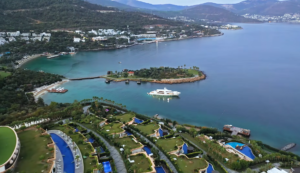
Lake Salda is a natural freshwater lake located in Burdur Province, in the Mediterranean region of Turkey. It is known for its clear turquoise waters and white sandy shores formed by unique mineral deposits. Situated approximately 70 kilometers west of Burdur city, Lake Salda lies within a tectonic depression and is one of the deepest lakes in Turkey. The area surrounding the lake consists of hills and plateaus typical of the Mediterranean highlands.
Primary features: Freshwater lake, mineral beaches, clear turquoise water
Time needed: 1–2 days
Best time to visit: May to September (dry, warm weather)
Cost level: Low to medium
Tourism profile: Nature tourism, ecological interest, local recreation
Reasons Travelers Visit Lake Salda
Natural freshwater lake with clear turquoise water
Unique white sandy shores formed by hydromagnesite mineral deposits
Ecological significance for endemic flora and fauna
Geographic location on a tectonic depression providing scenic landscapes
Local recreation including swimming and picnicking
Near-site access to natural hot springs and hiking
Best Time to Visit
The best time to visit Lake Salda is during the late spring to early autumn months, specifically from May through September. Weather conditions are warm and dry, with average daily temperatures ranging from 20°C to 30°C (68°F–86°F). This period also coincides with the lowest precipitation levels and clearer skies.
Cooling temperatures, increased rain after September
Low
Winter
Dec-Feb
Cold, potential frost, occasional snow
Very low
How to Get There
Lake Salda is accessible from several major cities in Turkey through a combination of flights, road transport, and buses. The nearest major city is Burdur, which connects via road routes to the lake’s vicinity.
Nearest major city: Burdur (approximately 70 km away)
Most access is by car or bus from Burdur or Denizli
No direct train or ferry to Lake Salda
Getting Around
No public transit system around the lake; car rental or private vehicle recommended
Walking possible along lakeside beaches and nearby trails; typical distances between parking and beach 0.5 to 2 km
Local taxis may be available in nearby villages but not frequent
Top Attractions in Lake Salda
Lake Salda Sandy Beaches
Natural sandy beaches primarily composed of hydromagnesite mineral deposits offering white sand and turquoise water. Beach site, natural feature. Average visit duration: 1-3 hours.
Lake Salda Nature Trails
Trails around the lake presenting views of surrounding hills and local flora. Attraction type: natural site, hiking. Average visit duration: 1-2 hours.
Yeşildere Waterfall
Waterfall located near Lake Salda providing a natural freshwater cascade. Attraction type: natural site. Average visit duration: 30-45 minutes.
Common Visitor Activities
Swimming and sunbathing at the lake’s mineral beaches
Hiking on nature trails around the lake
Picnicking in designated lakeside areas
Photography of lake landscapes and natural features
Visiting nearby waterfall sites such as Yeşildere
Suggested Lake Salda Visit Duration
Visitors typically spend between half a day to two days at Lake Salda. Half a day suffices for beach visits and short walks. One full day accommodates swimming, hiking, and visiting nearby natural attractions. Two or more days allow for a more relaxed pace including exploration of surrounding villages and nature sites.
Nearby Destinations
Burdur city – approximately 70 km east (1 to 1.5 hours by car)
Denizli city – approximately 130 km south (2 hours by car)
Antalya city – approximately 140 km south (2 hours by car)
Pamukkale – approximately 150 km southeast (2.5 hours by car)
Practical Information
Climate
Mediterranean climate with hot, dry summers and cool, wet winters
Seasonality notes
Peak visiting season from May to September; limited accessibility and cold weather from November to March
Crowd levels
Low to moderate crowds during summer months; very low during off-season
Constraints or limitations
Limited public transport options; accessibility dependent on private vehicle; no significant commercial facilities at lakeside
Frequently Asked Questions
What type of travelers visit Lake Salda?
Lake Salda attracts nature tourists, ecological researchers, and travelers seeking outdoor recreation. Visitors often include day trippers from nearby cities and those interested in natural freshwater lakes and mineral beaches.
How many days are needed to visit Lake Salda?
One full day is adequate for typical visits covering the beaches, trails, and nearby waterfall. Two days allow a more comprehensive experience with relaxed pace and extra activities such as local village visits.
Is Lake Salda safe for swimming?
Swimming is generally safe; the lake has clear, clean water with low pollution levels. Visitors should exercise normal caution, avoid sudden deep areas, and follow local guidance regarding swimming zones.
What is the best time to visit Lake Salda?
The optimal visiting period is between May and September when weather is warm, dry, and suitable for outdoor activities. Off-season months can have lower temperatures and reduced accessibility.
Get detailed travel guides for Turkiye's most popular regions, including the Mediterranean coast, Cappadocia, Istanbul and more. Each guide is packed with local insights, recommended routes and practical tips to help you explore like a local.