Istanbul Travel Guide – Attractions, Transport, Best Time to Visit
Last update February 12, 2026
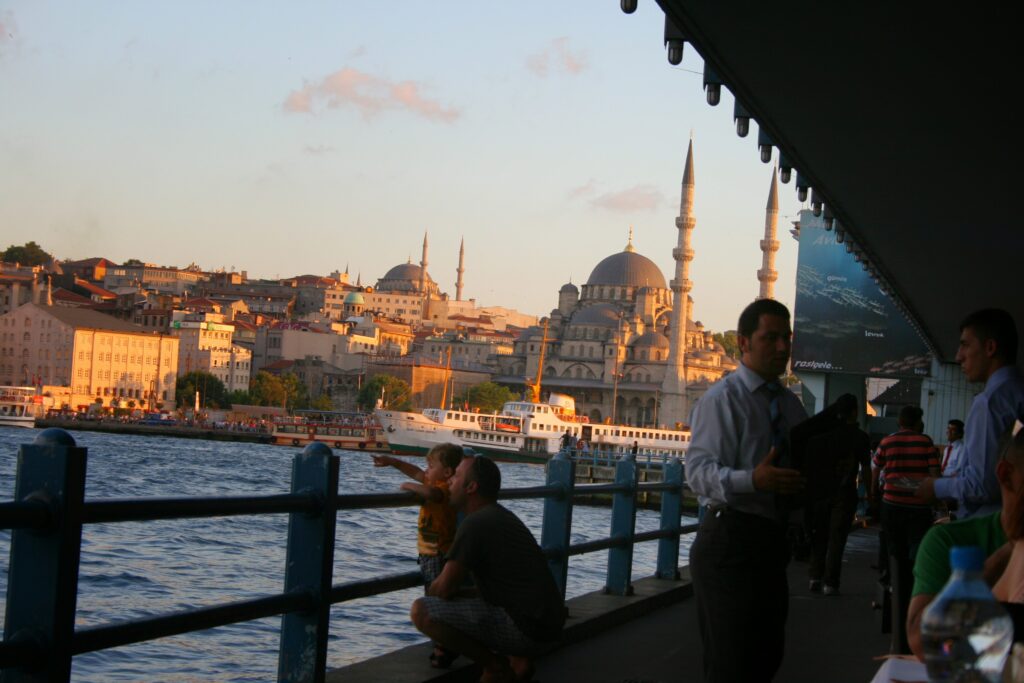
Istanbul is a major city in the Istanbul Province, located in the Marmara Region of northwestern Turkey. It is situated on both the European and Asian continents, divided by the Bosporus Strait. As a transcontinental city, Istanbul serves as a significant cultural and economic hub connecting Europe and Asia. It has a population of over 15 million people, making it Turkey’s largest city. Istanbul’s geographic location on the Bosporus provides access to the Black Sea and the Sea of Marmara.
Istanbul Overview
- Location: Transcontinental city on the Bosporus Strait
- Primary features: Historic sites from Byzantine and Ottoman periods, Bosporus Strait, diverse cuisine
- Time needed: 2-3 days (minimum 1 day)
- Best time to visit: April to June and September to November (moderate weather, medium crowds)
- Cost level: Medium compared to other Turkish cities
- Tourism profile: Cultural history, urban exploration, culinary tourism
Reasons Travelers Visit Istanbul
- Significant historical sites from Byzantine and Ottoman empires
- Geographic location spanning two continents (Europe and Asia)
- Natural features including the Bosporus Strait and Golden Horn
- Varied cuisine blending Mediterranean, Middle Eastern, and Balkan influences
- Architectural landmarks including mosques, palaces, and bazaars
Best Time to Visit
The best months to visit Istanbul are April to June and September to November. During these months, weather conditions are mild with average temperatures between 15°C and 25°C. Summer months (July and August) have higher temperatures reaching above 30°C and increased tourist crowds. Winter months (December to February) are colder, with average temperatures between 5°C and 10°C and more rainfall. Spring and autumn have moderate crowd levels compared to summer.
| Season | Months | Typical Weather | Crowd Levels |
|---|---|---|---|
| Spring | April – June | Mild temperatures 15-25°C, moderate rainfall | Medium |
| Summer | July – August | Hot temperatures 25-35°C, low rainfall | High |
| Autumn | September – November | Mild temperatures 15-25°C, moderate rainfall | Medium |
| Winter | December – February | Cold temperatures 5-10°C, high rainfall and occasional snow | Low |
How to Get There
Istanbul is accessible by various transportation modes. The city is served by two major airports, located on the European and Asian sides. Road and rail networks connect Istanbul to other major cities in Turkey. There are also ferry services linking the European and Asian parts of the city as well as nearby coastal towns.
- Nearest major city: Istanbul itself is the major city.
- Air: Two international airports (Istanbul Airport, Sabiha Gökçen Airport)
- Road: Well-connected highways and intercity buses
- Train: High-speed rail to Ankara, suburban rail within city
- Ferry: Bosporus Strait ferries and Marmara Sea routes
From Izmir
- Flight: Approximately 1 hour direct flight from Izmir Adnan Menderes Airport to Istanbul Airports
- Car: Around 480 km, approximately 5-6 hours by road via O-5 highway
- Bus: Regular intercity buses connecting Izmir to Istanbul, approx. 7-8 hours
- Train: No direct high-speed train, conventional train routes require transfers
From Antalya
- Flight: Approximately 1 hour 15 minutes flight to Istanbul Airports
- Car: About 700 km, roughly 8-9 hours driving via D650 and O-4 highways
- Bus: Direct intercity buses available, travel time around 12 hours
- Train: No direct train service; combination of bus and train requires transfers
From Ankara
- Flight: Approximately 1 hour flight from Ankara Esenboğa Airport to Istanbul Airports
- Car: Around 450 km by road, approximately 5-6 hours
- Train: High-speed rail service connects Ankara Central Station to Istanbul Pendik in about 4.5 hours
- Bus: Frequent intercity buses, travel time about 6-7 hours
Getting Around
- Metrotram and metro rail systems operate on both European and Asian sides
- Extensive bus and minibus networks cover urban and suburban areas
- Ferries link European and Asian sides and suburban coastal areas
- Walkability is moderate in historic districts; many attractions are within 1-3 km of each other
- Taxis and ride-sharing services are widely available
Top Attractions in Istanbul
Hagia Sophia
A former Byzantine cathedral and Ottoman mosque, now a museum, representing historical architectural heritage. Attraction type: Museum/monument. Modest dress is required (headscarves for women, knees covered for all) and that the Upper Gallery now requires a separate ticket for non-citizens. Average visit duration: 1.5 to 2 hours.
Topkapi Palace
Ottoman imperial palace complex housing museums including imperial collections and gardens. Attraction type: Palace and museum. Average visit duration: 2 to 3 hours.
Blue Mosque (Sultan Ahmed Mosque)
Active mosque known for its blue İznik tile decoration and Ottoman architecture. Attraction type: Religious site. Average visit duration: 30 to 45 minutes.
Grand Bazaar
Large historic covered market with thousands of shops selling jewelry, textiles, and souvenirs. Attraction type: Market/shopping area. Average visit duration: 1 to 2 hours.
Basilica Cistern
Underground Byzantine-era water storage with columns and atmospheric lighting. Attraction type: Historical site. Average visit duration: 30 to 45 minutes.
Common Visitor Activities
- Walking tours of Sultanahmet district including Hagia Sophia and Blue Mosque
- Boat trips on the Bosporus Strait between Europe and Asia
- Visiting museums such as Istanbul Archaeology Museums and Modern Art Museum
- Shopping and dining in the Grand Bazaar and Spice Bazaar
- Exploring Asian side neighborhoods like Kadıköy by ferry
Suggested Istanbul Visit Duration
A half-day visit allows seeing one or two main sites such as Hagia Sophia and the Blue Mosque. One full day can cover major historic attractions including Topkapi Palace and the Grand Bazaar. For a 2 to 3 day stay, visitors can include Bosporus boat tours, museum visits, and exploring both European and Asian sides.
Nearby Destinations
- Princes’ Islands – approximately 1 hour by ferry
- Bursa – around 2 hours by ferry and bus
- Adalar (islands) – accessible within 1-1.5 hours ferry ride
- Şile – approximately 1.5 hours by car, on the Black Sea coast
Practical Information
| Climate | Temperate, with warm summers and cool, wet winters |
|---|---|
| Seasonality Notes | Peak tourist season is June to August; shoulder seasons in spring and autumn |
| Crowd Levels | High during summer, moderate in spring and autumn, low in winter |
| Constraints or Limitations | Traffic congestion common; some historic sites may have seasonal closure or reduced hours; winter rain and occasional snow |
Frequently Asked Questions
What type of travelers visit Istanbul?
Istanbul attracts cultural travelers, history enthusiasts, urban explorers, and culinary tourists. Visitors often come to see historic sites from Byzantine and Ottoman eras, explore diverse neighborhoods, and sample local cuisine. The city supports a wide range of tourism activities including museum visits, shopping, and Bosporus sightseeing.
How many days are needed to visit Istanbul?
At minimum, 1 day allows visiting main landmarks such as Hagia Sophia and the Blue Mosque. For a more complete experience including palaces, bazaars, and Bosporus cruise, 2-3 days is recommended. Longer stays enable exploring neighborhoods on both continents and more detailed museum visits.
Is Istanbul safe for tourists?
Istanbul is generally safe for tourists. Standard precautions apply, such as guarding against pickpocketing in crowded areas and using licensed taxis. Tourist areas have security presence. It is advised to stay informed about local conditions and avoid demonstrations or large gatherings.
What is the best time of year to visit Istanbul?
The best time to visit is during spring (April to June) and autumn (September to November) when weather is moderate and crowds are medium. Summer months have higher temperatures and tourist numbers. Winter brings cooler weather and rain with fewer tourists.