Last update February 13, 2026
Halfeti is a small town located in Şanlıurfa Province in the Southeastern Anatolia region of Turkey. Positioned on the banks of the Euphrates River, the town features unique partially submerged areas caused by the Birecik Dam reservoir. Halfeti’s geographic context places it near the Syrian border and within a semi-arid climate zone. The town combines natural landscapes with archaeological and cultural heritage elements typical of Southeastern Anatolia.
Halfeti Overview
- Location: Southeastern Anatolia, Şanlıurfa Province
- Primary features: Partially submerged town, Euphrates River, historical ruins
- Time needed: 1-3 days
- Best time to visit: April-June and September-November (moderate temperatures)
- Cost level: Low compared to major Turkish cities
- Tourism profile: Cultural tourism, nature exploration, river tours
Reasons Travelers Visit Halfeti
- Historical significance due to traditional Ottoman-era architecture and ruins
- Natural features including partially submerged areas from Birecik Dam reservoir
- Local cuisine specializing in Southeastern Anatolian dishes
- Geographic location along the Euphrates River offering unique river landscapes
Best Time to Visit
The best time to visit Halfeti is during spring (April to June) and autumn (September to November) when temperatures range between 15°C and 30°C. Summers (July and August) can reach temperatures above 35°C, which may cause discomfort. Winters (December to February) are cooler, with average temperatures around 5°C to 12°C, and occasional rain. Tourist crowds are moderate in spring and autumn, low in winter, and minimal in summer due to heat.
| Season | Months | Typical Weather | Crowd Levels |
|---|---|---|---|
| Spring | April – June | 15°C – 30°C, low rain | Moderate |
| Summer | July – August | 35°C+, dry | Low |
| Autumn | September – November | 16°C – 28°C, moderate rain | Moderate |
| Winter | December – February | 5°C – 12°C, rainy | Low |
How to Get There
Halfeti can be accessed through Şanlıurfa city, the nearest major city. Transport options include domestic flights to Şanlıurfa Airport, followed by road transport to Halfeti. Bus services and car rentals are common for the last leg. The town is also reachable by car from nearby cities in Southeastern Anatolia.
- Nearest major city: Şanlıurfa (approx. 120 km southwest)
- Transport modes: Flight to Şanlıurfa, bus or car to Halfeti
- Travel time from Şanlıurfa to Halfeti: approximately 2 hours by road
Getting Around
- Local transportation primarily by car or taxi due to limited public transit
- Halfeti town center is walkable; distances between major points are generally under 2 km
- Boat tours on the Euphrates River are a common means to explore submerged areas
Top Attractions in Halfeti
Halfeti Old Town Ruins
Ruins of the old town partially submerged by the Birecik Dam reservoir, representing traditional Ottoman architecture and village life. Type: archaeological and architectural site. Average visit duration: 1-2 hours.
Euphrates River and Boat Tours
Natural site featuring the Euphrates River with boat tours to partially submerged villages and scenic river landscapes. Type: natural site and river tour. Average visit duration: 2-3 hours.
Rumkale Fortress
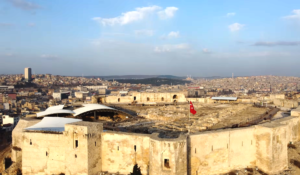
Ancient fortress located near Halfeti on the Euphrates River, with archaeological significance dating back to the Roman and Byzantine periods. Type: historic fortress ruin. Average visit duration: 1-2 hours.
Local Market and Anatolian Cuisine Venues
Traditional market area offering regional food products and restaurants serving Southeastern Anatolian cuisine. Type: local market and culinary site. Average visit duration: 1-2 hours.
Common Visitor Activities
- Boat tours on the Euphrates River to view submerged areas and natural scenery
- Exploring ruins and historical sites in Halfeti Old Town and Rumkale Fortress
- Sampling local Southeastern Anatolian dishes in town markets and restaurants
- Photography of half-submerged buildings and river landscapes
- Walking tours through Halfeti town center and nearby villages
Suggested Halfeti Visit Duration
Visitors can complete a basic tour of Halfeti in one day, including boat trips and visits to main attractions. A two- to three-day visit allows for deeper exploration of ruins, local markets, and surrounding natural sites. Half-day visits are possible focusing only on the town center or river tour.
Nearby Destinations
- Şanlıurfa city – approximately 120 km, 2 hours by road
- Birecik – approximately 40 km, 1 hour by road
- Eyyübiye – approximately 110 km, 2 hours by road
- Rumkale Fortress – approximately 15 km, 30 minutes by road and boat
Practical Information
| Climate | Semi-arid with hot summers and mild winters |
|---|---|
| Seasonality notes | Best in spring and autumn; summer can be very hot |
| Crowd levels | Moderate in spring/autumn; low in summer/winter |
| Constraints or limitations | Limited public transportation; some attractions accessible mainly by boat; summer heat can limit daytime activities |
Frequently Asked Questions
- What type of travelers visit Halfeti?
- Visitors typically include cultural travelers interested in Ottoman history and archaeology, nature enthusiasts exploring river and landscape sites, and food travelers sampling Southeastern Anatolian cuisine. The town attracts those seeking moderate tourism activity and outdoor experiences.
- How many days are needed to visit Halfeti?
- A minimum of one day is sufficient to visit key attractions such as the old town ruins and take a boat tour. Two to three days allow for additional visits to nearby sites like Rumkale Fortress and local markets, providing fuller engagement with the region.
- Is Halfeti safe for travelers?
- Halfeti is generally considered safe for travelers. Standard precautions for travel in Southeastern Anatolia should be observed, such as avoiding travel after dark in rural areas and following local guidance. No significant safety restrictions apply for tourists visiting popular sites.
- What is the best time of year to visit Halfeti?
- The best time to visit is during spring (April to June) and autumn (September to November), when temperatures range between 15°C and 30°C. These seasons have moderate crowds and favorable weather for outdoor and river activities.
You May Also Like

PLAN YOUR JOURNEY BY DESTINATION
Get detailed travel guides for Turkiye's most popular regions, including the Mediterranean coast, Cappadocia, Istanbul and more. Each guide is packed with local insights, recommended routes and practical tips to help you explore like a local.
DETAILED MAPS
GPX files, offline maps and route notes.
DAILY ITINERARIES
Step-by-step plans to make your trip easy.
PRACTICAL INFO
Where to stay, eat, transport and more.
LOCAL INSIGHTS
Tips, hidden gems and local knowledge.