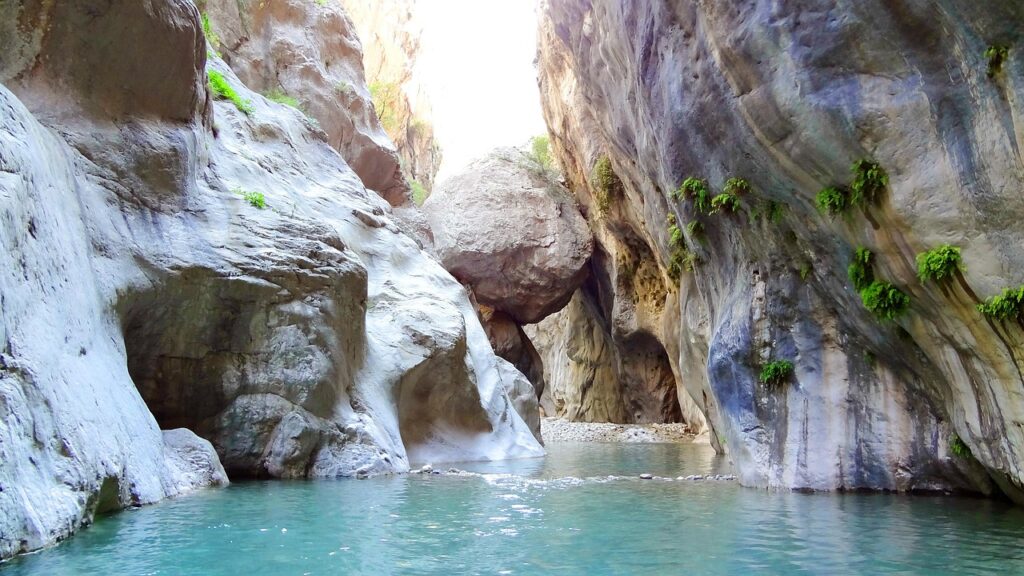
Goynuk is a town located in Bolu Province, part of the Black Sea Region of Turkey. It lies in the northwestern part of the country, near the western Black Sea coast. The town is noted for its Ottoman-era architecture and proximity to natural features including forests and rivers. Goynuk serves as a region with a mix of historical and ecological interest within Turkey’s diverse geographic landscape.
Goynuk Overview
Location: In Bolu Province, Black Sea Region, northwestern Turkey
Primary features: Ottoman architecture, natural park areas, forests
Time needed: 1-2 days
Best time to visit: May to September (warmer weather), October (autumn foliage)
Cost level: Low to medium compared to major urban centers
Tourism profile: Cultural tourism, nature excursions, heritage sightseeing
Reasons Travelers Visit Goynuk
Preserved Ottoman architecture including historical houses and mosques
Access to natural features such as the Goynuk Canyon and surrounding forests
Located near the Bolu mountain range offering hiking and nature activities
Traditional regional cuisine characteristic of the Black Sea and Anatolian cultures
Positioned within easy reach of both Black Sea coast and inland provincial centers
Best Time to Visit
The recommended visiting period for Goynuk is from late spring through early autumn, spanning May to September. During these months, weather is warm and mostly dry. October is also notable for autumn foliage but can be cooler and wetter. Winters are cold with occasional snowfall, which may limit outdoor activities and access.
Month
Average Temperature (°C)
Weather
Crowd Level
May – September
15-25
Warm, mostly dry
Moderate
October
10-15
Cool with chance of rain
Low to moderate
November – April
0-10
Cold, rainy, possible snow
Low
How to Get There
Goynuk is accessible by road and regional transport from nearby major cities and airports. The town does not have its own airport. Travelers typically use Bolu city, Ankara, or Istanbul as transit points before continuing to Goynuk by car or bus.
Nearest major city: Bolu (~40 km)
Closest airports: Istanbul Airport, Ankara Esenboğa Airport
Bus connections available from major cities to Bolu and then regional transport to Goynuk
Road access via D-100 highway and local roads
Getting Around
Local minibuses and taxis serve transport within Goynuk and nearby villages
Walking is feasible for exploring the town center and historical sites
Distances between main attractions are typically within 2 to 5 kilometers
Car rental or private transport recommended for excursions to natural areas outside the town
Top Attractions in Goynuk
Goynuk Ottoman Houses
A cluster of well-preserved traditional Ottoman wooden houses in the town center, representing 18th and 19th-century architecture. The attraction is a cultural heritage site. Average visit duration: 1 to 2 hours.
Goynuk Canyon
Natural canyon located near the town offering landscape views, hiking, and climbing opportunities. Classified as a natural site for eco-tourism. Average visit duration: 2 to 4 hours.
Sünnet Waterfall
Waterfall located in a wooded area close to Goynuk, with picnic areas and walking paths. It is a natural attraction suitable for day visits. Average visit duration: 1 to 2 hours.
Goynuk Mosque
An Ottoman-era mosque in the town featuring classical Ottoman architectural style. The site is of religious and historical interest. Average visit duration: 30 to 45 minutes.
Common Visitor Activities
Walking tours of historical Ottoman neighborhoods
Hiking and exploring Goynuk Canyon trails
Visiting Sünnet Waterfall and surrounding picnic areas
Sampling regional Black Sea and Anatolian cuisine in local restaurants
Photography of architectural and natural sites
Suggested Goynuk Visit Duration
Visitors typically spend between one and two days in Goynuk to cover major attractions and activities. A half-day visit may suffice for a brief overview of the town center. Extended stays of 2-3 days allow for more in-depth exploration of natural sites and surrounding areas.
Nearby Destinations
Bolu City – Approximately 40 kilometers northeast, 40 minutes by car
Abant Lake – Approximately 45 kilometers northeast, 1 hour by car
İstanbul – Approximately 280 kilometers northwest, 3.5 to 4 hours by car
Practical Information
Climate
Temperate with cold winters, warm summers, moderate rainfall mostly in winter and spring
Seasonality notes
Peak tourism from May to September; off-season has restricted outdoor accessibility due to cold weather
Crowd levels
Moderate during warm months; low during winter and early spring
Constraints or limitations
Limited public transit options within town; some natural sites may have seasonal closures or accessibility reduced by weather
Frequently Asked Questions
What type of travelers visit Goynuk?
Goynuk attracts cultural tourists interested in Ottoman history, nature enthusiasts exploring canyons and waterfalls, and regional travelers exploring the Black Sea area’s rural towns. The town suits visitors seeking heritage sites and outdoor activities within a moderately sized town.
How many days are needed to visit Goynuk?
At least one full day is recommended to see the main historical and natural sites. Two days allow for a more comfortable itinerary including hikes and local cuisine. Short visits under a half day can cover only central historical points.
Is Goynuk safe for travelers?
Goynuk is considered safe with low crime levels typical of small towns in Turkey. Visitors should exercise standard precautions such as securing valuables and being aware of local traffic conditions, especially when hiking or traveling outside town.
When is the best time to visit Goynuk?
Ideal visiting months are from May through September due to warm and mostly dry weather. October can also be suitable for viewing autumn colors, but visitors should prepare for cooler, wetter conditions. Winter months may limit access to outdoor attractions.
Noah is a photographer and travel blogger from South Korea. He captured the breathtaking landscapes of Pamukkale and the vibrant bazaars of Istanbul. His guides emphasize photography spots and visual storytelling.