Didim Travel Guide

Last update February 13, 2026

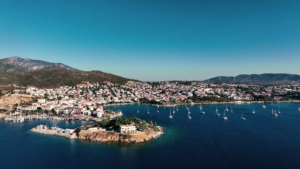
Didim is a coastal town located in Aydın Province in the Aegean Region of Turkey. It lies on the western coast of Turkey, near the Aegean Sea. Didim is positioned south of İzmir and east of Bodrum, making it a part of the Turkish Riviera. The town is known for its archaeological sites, beaches, and agricultural surroundings. Didim combines historical landmarks with modern tourism infrastructure.

Didim Overview

  • Location: Aegean coast, Aydın Province, Turkey
  • Primary features: Temple of Apollo ruins, coastal beaches, fishing harbor
  • Time needed: 2-3 days (1 day minimum)
  • Best time to visit: April to October (dry and warm seasons)
  • Cost level: Low to medium compared to major Turkish cities
  • Tourism profile: Cultural tourism, beach tourism, nature exploration

Reasons Travelers Visit Didim

  • Presence of the Temple of Apollo, an important archaeological and historical site
  • Coastal beaches suitable for swimming and sunbathing
  • Fishing harbor and maritime activities along the Aegean Sea
  • Proximity to nature reserves and agricultural landscapes
  • Mediterranean climate favorable for outdoor activities in spring and summer
  • Access to nearby islands and sea excursions

Best Time to Visit

The best months to visit Didim are April through October. During this period, the climate is typically warm and dry, suitable for beach activities and outdoor sightseeing. Peak tourist season occurs in July and August, with higher visitor numbers and hotter temperatures. The winter months (December to February) are cooler and wetter, with reduced tourism activity and some businesses closed.

SeasonMonthsWeatherCrowd Levels
SpringApril – JuneWarm days, mild nights, low rainfallModerate
SummerJuly – SeptemberHot and dry, average highs 30-35°CHigh
AutumnOctober – NovemberMild temperatures, increasing rainfallLow to moderate
WinterDecember – MarchCool, wetter months with occasional stormsLow

How to Get There

Didim is accessible by road, with the closest major airports located in İzmir and Bodrum. Visitors can travel by car or intercity bus services from major cities. There are no direct train or ferry connections to Didim; the nearest train stations are in İzmir and Aydın. The town is approximately 130 kilometers from İzmir and about 90 kilometers from Bodrum.

  • Nearest major city: İzmir
  • Main access by road via car or bus
  • Nearest airports: İzmir Adnan Menderes Airport and Milas-Bodrum Airport
  • No direct train or ferry service to Didim
  • Travel times: Approximately 1.5-2 hours from İzmir by car

Getting Around

  • Local minibuses (dolmuş) operate in Didim and surrounding areas
  • Walking is feasible within the town center and beachfront areas
  • Taxis are available for local transport
  • Distances between major points of interest are generally under 10 kilometers

Top Attractions in Didim

Temple of Apollo

An ancient Greek temple ruin dating back to the 8th century BCE. It is one of the main archaeological sites in Didim and is classified as a historical attraction. The average visit duration is 1 to 2 hours.

Altınkum Beach

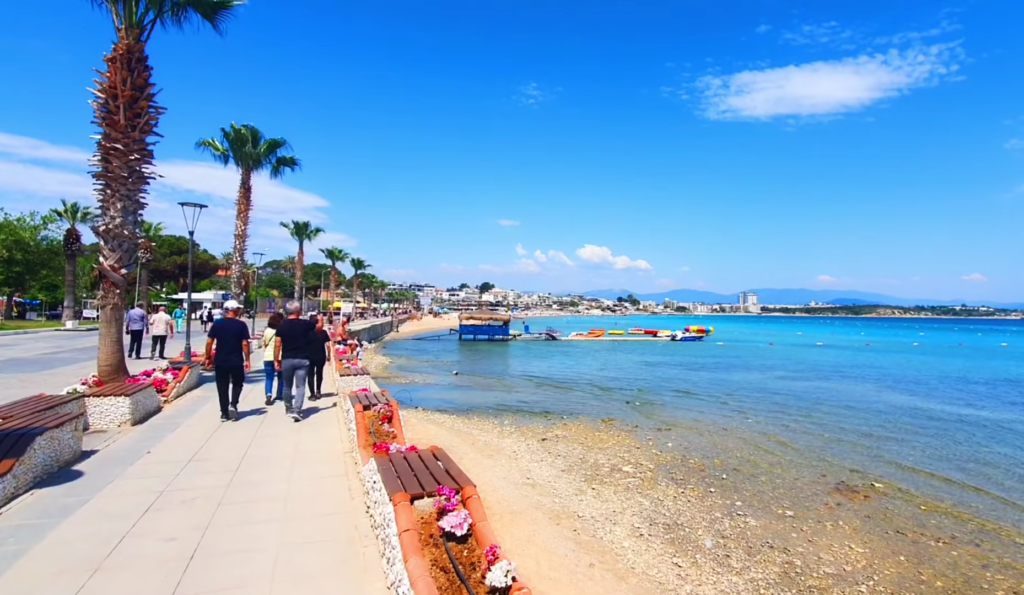
A popular sandy beach along the Aegean coast, suitable for swimming and sunbathing. It is a natural site and recreational area. Average visit times vary from 2 to 4 hours or more depending on visitor preference.

Didyma Archaeological Site

Includes ruins related to ancient Didyma, beyond the Temple of Apollo, offering insight into ancient urban layout. Classified as a historical and cultural site. Visits typically take 1 to 3 hours.

Miletus Ancient City (near Didim)

An extensive ancient city site located approximately 20 kilometers south of Didim. It features ruins from the classical period including a theater and baths. Visit duration ranges 2 to 4 hours.

Common Visitor Activities

  • Exploring the Temple of Apollo archaeological site
  • Swimming and sunbathing at Altınkum and nearby beaches
  • Visiting Didyma and Miletus Ancient City ruins
  • Boat tours along the Aegean coast departing from Didim harbor
  • Dining at local seafood restaurants in Didim town center

Suggested Didim Visit Duration

Visitors can plan a half-day visit for the Temple of Apollo alone. A full day allows exploration of additional sites such as Didyma and local beaches. Two to three days enable a more relaxed itinerary including nearby ancient cities, beach time, and coastal excursions.

Nearby Destinations

  • Miletus Ancient City – 20 kilometers south
  • Bodrum – approximately 90 kilometers southwest
  • İzmir – approximately 130 kilometers north
  • Aydın city center – approximately 80 kilometers east
  • Kuşadası – approximately 60 kilometers northwest

Practical Information

ClimateMediterranean climate with hot, dry summers and mild, wet winters
Seasonality notesPeak season from June to August; some businesses close in winter
Crowd levelsHigh during summer months; low during winter months
Constraints or limitationsSummer heat can exceed 35°C; limited public transport options; occasional winter closures of tourist sites

Frequently Asked Questions

What type of travelers visit Didim?

Didim attracts visitors interested in cultural and historical sites, beach tourism, and nature exploration. It is suitable for travelers seeking archaeological ruins, coastal recreation, and moderate urban amenities.

How many days are needed to visit Didim?

A minimum of one day is sufficient to visit key sites such as the Temple of Apollo and main beaches. For a thorough experience including nearby ancient cities and leisure time, 2 to 3 days are recommended.

Is Didim a safe destination for travelers?

Didim is generally considered safe for tourists. Standard travel precautions apply. There are no widespread safety concerns documented; travelers should follow local advice and safeguard personal belongings.

What is the best time to visit Didim?

The most suitable time to visit is between April and October due to warm, dry weather. Peak tourist months are July and August, which have higher temperatures and crowd levels. Off-season visits in winter are cooler with some site closures.

Written by Elena Rossi

Elena, an Italian cultural historian, visited Turkey to study its rich history and architecture. She spent months exploring Istanbul’s palaces, the ruins of Ephesus, and the heritage sites of Anatolia. Elena writes about history, art, and cultural insights

PLAN YOUR JOURNEY BY DESTINATION

Get detailed travel guides for Turkiye's most popular regions, including the Mediterranean coast, Cappadocia, Istanbul and more. Each guide is packed with local insights, recommended routes and practical tips to help you explore like a local.

DETAILED MAPS
GPX files, offline maps and route notes.
DAILY ITINERARIES
Step-by-step plans to make your trip easy.
PRACTICAL INFO
Where to stay, eat, transport and more.
LOCAL INSIGHTS
Tips, hidden gems and local knowledge.