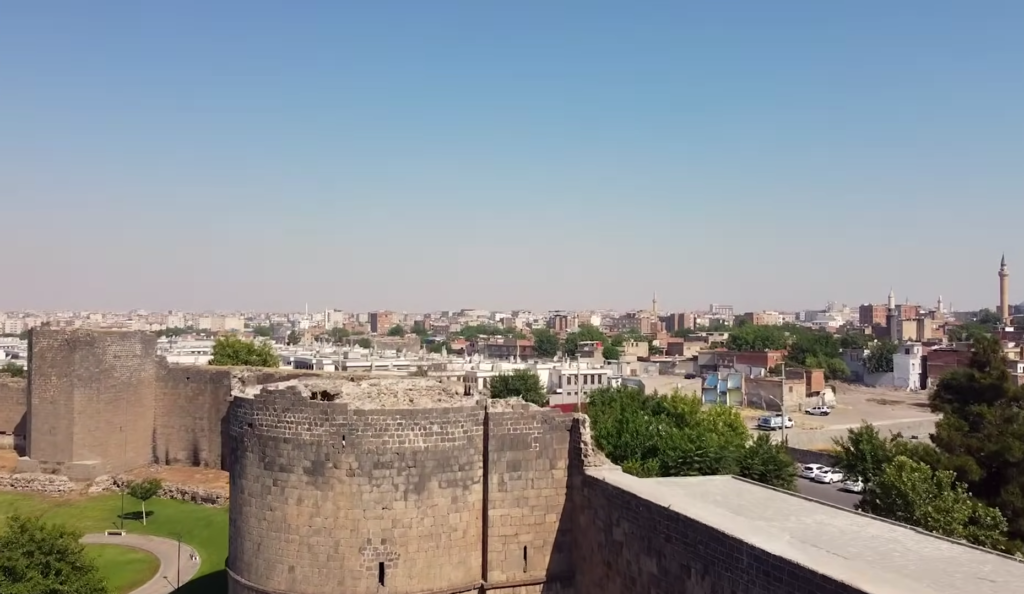
Diyarbakir is a city located in the Southeastern Anatolia Region of Turkey, within Diyarbakir Province. It is situated along the banks of the Tigris River and is one of the largest cities in southeastern Turkey. The city is recognized for its historical walls and ancient architecture, reflecting its role as a cultural and administrative center through various periods including Roman, Byzantine, and Ottoman. Diyarbakir’s geographical position connects it to key trade and transport routes in the region.
Diyarbakir Overview
Location: Southeastern Anatolia, Turkey, on the Tigris River
Primary features: Historical city walls, early Islamic architecture, Kurdish cultural influence
Time needed: 2-3 days (1 day minimum)
Best time to visit: April to June and September to November (moderate temperatures)
Cost level: Generally low to medium compared to western Turkish cities
Tourism profile: Cultural tourism, historical sightseeing, regional cuisine exploration
Reasons Travelers Visit Diyarbakir
Historical significance with well-preserved ancient city walls and monuments
Architectural heritage including early Islamic mosques and madrasas
Geographic location on the Tigris River in Southeastern Anatolia
Local cuisine notable for regional Kurdish and Turkish dishes
Proximity to natural sites such as the Taurus Mountains
Best Time to Visit
The optimal months to visit Diyarbakir are spring (April to June) and autumn (September to November), when temperatures range from 15°C to 30°C. Summers (July and August) can be very hot with temperatures often exceeding 35°C. Winters (December to February) are mild to cold, with occasional frost and rain. Tourist crowd levels tend to be moderate in spring and autumn, low in winter, and low to moderate in summer due to the heat.
Season
Months
Typical Weather
Crowd Level
Spring
April – June
15-30°C, mild, mostly dry
Moderate
Summer
July – August
30-40°C, hot, dry
Low to moderate
Autumn
September – November
15-30°C, mild, occasional rain
Moderate
Winter
December – February
1-10°C, cold, some frost and rain
Low
How to Get There
Diyarbakir is served by Diyarbakir Airport, connecting to major cities in Turkey. The city is accessible by road and rail, with bus services from key regional centers. It is approximately 450 km from Ankara and 1200 km from Istanbul by road. Travel times vary according to the mode of transport.
Nearest major city: Diyarbakir itself, with direct connections to other cities
Flight: Diyarbakir Airport (DIY) receives flights from Istanbul, Ankara, and regional airports
Bus: Regular bus lines from surrounding cities and provinces
Train: Limited service available via regional rail networks connecting to eastern Turkey
Car: Accessible via well-maintained highways connecting to major urban centers
From Istanbul
Flight: Approximately 1 hour 45 minutes direct flight to Diyarbakir Airport
Bus: Approximately 18-20 hours by intercity bus
Car: Approximate driving distance 1,200 km, 15 hours of driving
Train: No direct train, requires combination with other transport
From Izmir
Flight: No direct flights; via Istanbul connection generally required
Bus: Approximately 20-22 hours by intercity bus
Car: Approximate driving distance 1,300 km, 16-17 hours driving
Train: No direct train connections to Diyarbakir
From Antalya
Flight: No direct flights; transfer through Istanbul or Ankara needed
Bus: Approximately 16-18 hours by intercity bus
Car: Approximate driving distance 1,100 km, 13-14 hours driving
Train: No direct train connections available
From Ankara
Flight: Direct flights available, approximately 1 hour
Bus: Approximately 9-10 hours by intercity bus
Car: Driving distance approximately 450 km, around 6 hours
Train: Limited service, requiring connection on rail routes
Getting Around
Local buses operate within the city and suburbs
Shared taxis and regular taxis available for short trips
Walking feasible in the city center; major historic sites are within 1-2 km of each other
Car hire is an option for excursions outside the city
Top Attractions in Diyarbakir
Diyarbakir City Walls
A fortified stone wall system dating back to Roman and medieval periods surrounding the old city; an open-air historical site. Average visit duration: 1 to 2 hours.
Ulu Mosque
One of the oldest mosques in Anatolia, established in the 12th century; an architectural and religious site. Average visit duration: 30 to 45 minutes.
Great Mosque of Diyarbakir (Diyarbakir Ulu Camii)
An early example of Islamic architecture blending influences from various periods; located in the city center. Average visit duration: 30 to 45 minutes.
Cahit Sıtkı Tarancı Museum
A museum dedicated to the life and works of the Turkish poet Cahit Sıtkı Tarancı; a literary and cultural attraction. Average visit duration: 45 minutes to 1 hour.
Hevsel Gardens
A UNESCO World Heritage agricultural area by the Tigris River that has sustained Diyarbakir throughout history; natural and cultural site. Average visit duration: 1 to 1.5 hours.
Common Visitor Activities
Walking tour of the Diyarbakir City Walls and historic old town
Visiting mosques and religious sites for architectural study
Exploring local bazaars and markets for traditional crafts and foods
Tasting regional Kurdish and Turkish cuisine in city restaurants
Visiting museums such as Cahit Sıtkı Tarancı Museum
Day trip to Hevsel Gardens and Tigris River banks for outdoor exploration
Suggested Diyarbakir Visit Duration
A half-day visit allows for a brief tour of the city walls and one mosque. One full day covers primary historic sites and a museum. Two to three days enable in-depth exploration of additional attractions, local cuisine, markets, and day trips to surrounding natural areas.
Nearby Destinations
Mardin – approximately 90 km southeast (1.5-hour drive)
Batman – approximately 120 km east (2-hour drive)
Şanlıurfa (Urfa) – approximately 150 km south (2.5-hour drive)
Mount Nemrut National Park – approximately 200 km northeast (3.5-hour drive)
Practical Information
Climate
Hot-summer Mediterranean with hot, dry summers and cold, wet winters
Seasonality notes
Peak moderate weather in spring and autumn; hot summers may reduce daytime outdoor activity
Crowd levels
Generally low to moderate year-round; higher during religious holidays
Constraints or limitations
Summer heat can exceed 40°C; some sites may close early during winter; limited train services
Frequently Asked Questions
What type of travelers visit Diyarbakir?
Diyarbakir attracts cultural travelers, history enthusiasts, and regional cuisine explorers. Visitors interested in early Islamic architecture and Kurdish heritage also frequent the city. The environment is suitable for travelers seeking historical sites and cultural immersion rather than beach or resort tourism.
How many days are needed to visit Diyarbakir?
At minimum, one full day is required to see main historical sites like the city walls and major mosques. Two to three days allow visits to museums, local markets, and nearby natural areas. A half day visit is feasible but limits site access.
Is Diyarbakir safe for travelers?
Diyarbakir is generally safe for travelers practicing standard safety precautions. Travelers should stay updated on local advisories. Daytime visits to tourist areas and main urban centers are common, with less activity after dark in less populated zones.
What is the best time of year to visit Diyarbakir?
Spring (April to June) and autumn (September to November) are the best seasons due to moderate temperatures and lower heat stress. Summer can be hot, limiting outdoor activity during daytime. Winter is cold and wet with fewer tourists.
Written by Mia Fernandez
Mia is a lifestyle and travel influencer from Spain. She visited Turkey to explore its diverse landscapes, from Istanbul’s rooftops to the beaches of Antalya. Mia writes about city life, cultural festivals, and scenic destinations.