Sumela Monastery
Orthodox Christian monastery built into a cliff, dating back to the 4th century. This historic site is classified as ruins and religious architecture. Average visit duration is 2-3 hours including hiking time.
Last update February 13, 2026
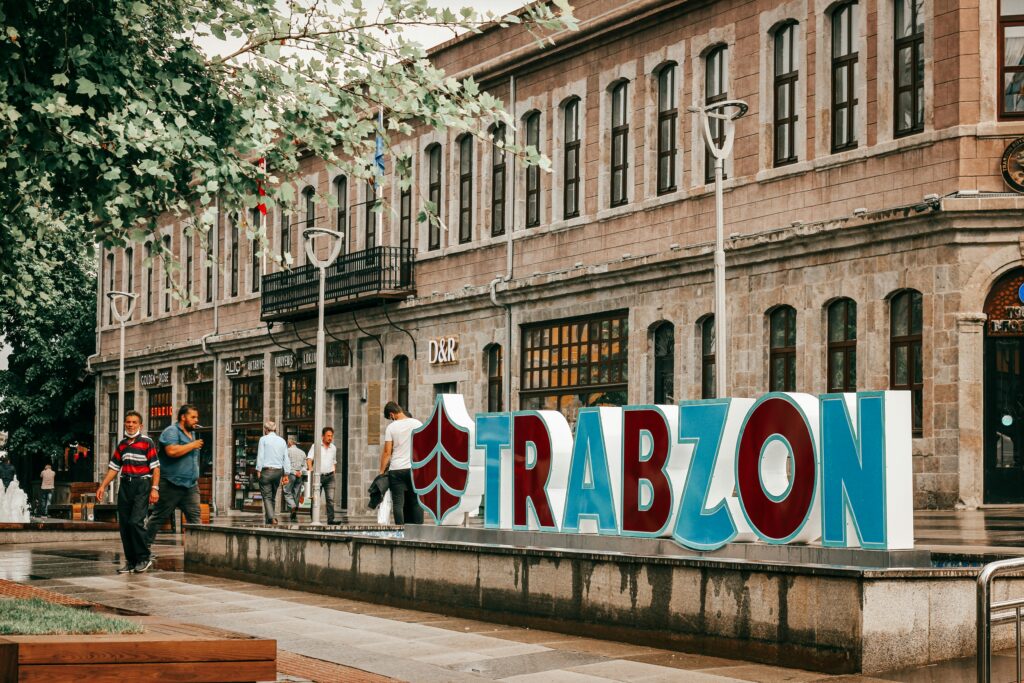
Trabzon is a city located on the northeastern coast of Turkey, in Trabzon Province within the Black Sea Region. It is a coastal city situated by the Black Sea, featuring a mix of natural landscapes and historic architecture. Trabzon serves as a cultural and economic center of the region with connectivity to other major Turkish cities and important natural and historical sites nearby.
The best months to visit Trabzon are primarily in spring (April to June) and early fall (September to October). During these periods, the weather is generally mild with less rainfall compared to other months. Summer months are warmer but can be humid, while winter months are cold and rainy with occasional snow in surrounding mountainous areas. Visitor crowd levels are lower in winter and highest during summer.
| Season | Months | Typical Weather | Crowd Level |
|---|---|---|---|
| Spring | Apr-Jun | Mild temperatures, moderate rainfall | Moderate |
| Summer | Jul-Aug | Warm, humid, higher rainfall | High |
| Fall | Sep-Oct | Cooler, less rain than summer | Moderate |
| Winter | Nov-Mar | Cold, rainy, occasional snow | Low |
Trabzon can be accessed by air, road, and sea transportation. The nearest major city with an international airport is Trabzon itself, which has regular domestic flights and limited international connections. Road connections via highway and bus services link Trabzon to other major cities. There is no train service directly to Trabzon. Ferries operate along some parts of the Black Sea coast but are limited.
Orthodox Christian monastery built into a cliff, dating back to the 4th century. This historic site is classified as ruins and religious architecture. Average visit duration is 2-3 hours including hiking time.
Former Byzantine church converted into a museum featuring frescoes and religious artifacts. It is a museum and religious heritage site. Average visit duration is 1-2 hours.
A historic house museum dedicated to Mustafa Kemal Atatürk, featuring period furniture and exhibits. It is a historic house museum. Average visit duration is approximately 1 hour.
Natural lake surrounded by mountains and forest, located approx. 99 km south of Trabzon. It is a natural site for nature walks and photography. Average visit duration ranges from 2 to 4 hours.
Hilltop park offering panoramic views of Trabzon and the Black Sea coast. It is a city park and viewpoint. Average visit duration is about 1 hour.
A minimum of one day allows visits to Trabzon city central attractions. Two to three days are recommended to include trips to Sumela Monastery and natural sites such as Uzungöl. Half-day visits are suitable only for brief city center exploration.
| Climate | Oceanic climate with high rainfall, mild summers, cold and wet winters |
|---|---|
| Seasonality notes | Higher rainfall in autumn and winter; drier periods in late spring and early fall |
| Crowd levels | Moderate in spring and autumn; high in summer; low in winter |
| Constraints or limitations | Steep terrain in some areas; limited direct rail connections; occasional road closures in winter near mountains |
Travelers who visit Trabzon mainly include cultural tourists interested in Byzantine and Ottoman history, nature and outdoor enthusiasts, and travelers seeking coastal scenery within the Black Sea region. It also attracts visitors exploring regional Turkish cuisine and those accessing eastern Black Sea destinations.
One full day is sufficient to visit primary city attractions. To include nearby natural and historic sites such as Sumela Monastery and Uzungöl, two to three days are recommended. Shorter visits limit sightseeing mostly to the city center.
Trabzon is generally safe for travelers with low crime rates reported in tourist areas. Standard travel precautions are advised, such as avoiding isolated areas at night and securing personal belongings. The city infrastructure supports visitor safety well.
The best visiting periods are April to June and September to October when the weather is mild and rainfall is lower. Summer is warmer and more humid with higher rain chances, and winter months are cold with possible snow making some areas harder to access.
Get detailed travel guides for Turkiye's most popular regions, including the Mediterranean coast, Cappadocia, Istanbul and more. Each guide is packed with local insights, recommended routes and practical tips to help you explore like a local.